


Laser marking for metal, plastic
and industrial components
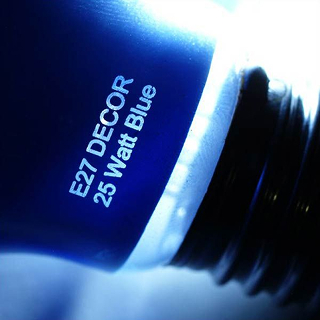
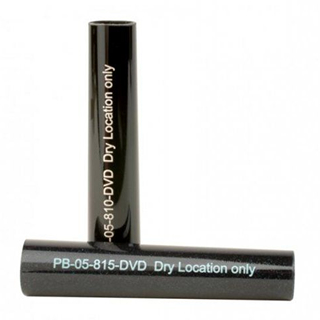
Laser marking is one of the most precise and durable methods for marking materials. In industry, it is used to permanently and tamper-proof mark components, type plates, serial numbers, Data Matrix codes, or QR codes. Modern laser systems enable reliable marking of a wide variety of materials such as metal, aluminum, stainless steel, or plastic.
Compared to conventional marking methods such as printing, etching, or embossing, laser marking offers numerous advantages. The process is contactless and wear-free, creates permanently legible markings, and allows for high detail accuracy even on the smallest components. Furthermore, the markings are resistant to abrasion, moisture, heat, and many chemical influences.
beLaser offers professional laser marking solutions for the industrial, mechanical engineering, automotive, and electronics sectors. From individual workpieces to automated series production, a wide range of requirements can be met precisely, economically, and reliably.
What is laser marking?
Laser marking is a process for permanently labeling materials using laser beams. The laser selectively alters the surface of a material, creating a high-contrast and permanent marking.
Depending on the material, different processes are used, for example:
Laser marking is used in many industries, especially in manufacturing for component labeling and product traceability. Typical contents of laser marking include serial numbers, logos, QR codes, Data Matrix codes, nameplates, and product markings.
Advantages of laser marking
- High flexibility even with constantly changing labels
- Contactless
- Versatile range of applications, laser markings can be used in various applications, such as serial numbers, barcodes, DataMatrix codes, logs, texts, graphics, etc.
- Cost-effective even for small quantities, the labels are applied quickly and efficiently – companies save time and money.
- Applicable to almost all materials, laser markings can be realized on a variety of materials, including metal, plastic, wood, glass, coatings, and textiles.
- No mechanical stress of the components, e.g. through clamping or surface treatment
- High throughput rates
- Low maintenance, Laser marking machines generally require little maintenance, have no wear parts, and are designed for continuous operation.
- Lasting readability, water-, wipe- and abrasion-resistant
- Acid and heat resistant, even extreme industrial environments can't do anything to laser marking.
- Environmentally friendly - laser labels produce no waste or emissions, making them one of the most environmentally friendly labeling methods.
Test our laser configurator
Click through the questions and get your individual offer as quickly as possible.
Discover our laser marking technologies
Laser marking includes various methods that are used depending on the material and the desired result. Different laser processes can alter surfaces, remove material, or create color contrasts. This allows components to be marked precisely, permanently, and individually.
Day/Night Design
“Color removal in day-night design” refers to the process in which layers are selectively removed to reveal the material beneath.
Laser engraving
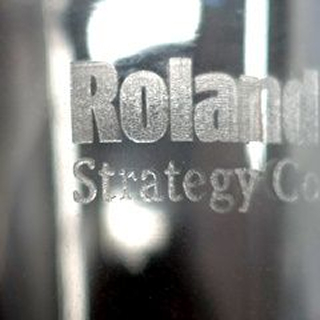
Laser engraving, which involves removing material, provides a simple and flexible way to create a tamper-proof and permanent marking.
Annealing marking
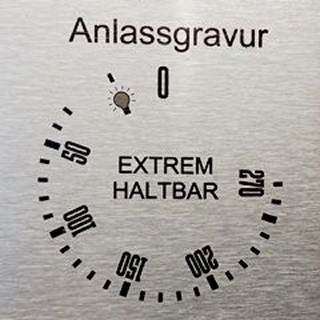
Marking using the annealing process is ideal for all types of metals that change color when exposed to heat and oxygen.
Laser marking plastic
The laser selectively alters the material structure on the surface, creating a high-contrast and permanent mark.
Branding
Organic materials such as wood, paper, cardboard, or leather are "branded" using a focused beam of light.
Industrial/Advertising Labeling
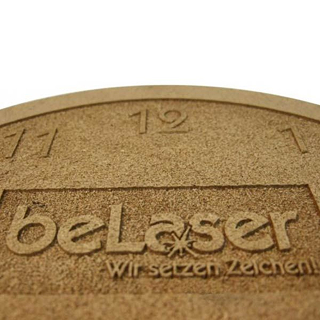
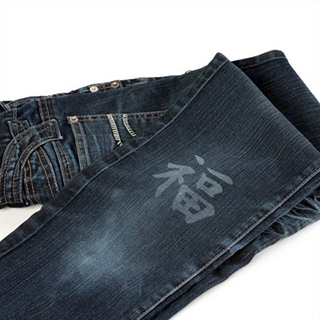
Almost all common materials can be processed with the laser. Individual labeling of advertising media with logos, images, graphics, etc.
Material applications
Our laser marking technologies are optimized for a wide variety of materials commonly used in manufacturing and product identification.
Which laser source is suitable for laser marking on my material?
Depending on the material, different laser sources are required for optimal marking results. The following table gives you an overview of the four laser marking sources: Green lasers, UV lasers, (MOPA) fiber lasers, and CO2 lasers.
Materials → Beam source ↓ | Metal | Coatings | Wood | Organic materials | Plastic | Textile | Glass |
|---|---|---|---|---|---|---|---|
Green laser | Possible | Possible, with limitations | Not possible | Not possible | Very good | Possible, with limitations | Very good |
UV laser | Possible, with limitations | Possible, with limitations | Very good | Very good | Very good | Possible, with limitations | Very good |
MOPA fiber laser | Very good | Very good | Not possible | Not possible | Very good | Not possible | Possible, with limitations |
CO₂ laser | Possible, with limitations | Very good | Very good | Very good | Very good | Very good | Very good |
You can find an overview of our laser systems here. However, we recommend having samples made beforehand. You are welcome to send us your parts to be labeled in advance, and we will determine the ideal laser source and settings for you. Just call or write us a short email.