

Laser marking on plastic
- Home
- »
- Laser marking
- »
- Laser marking plastic

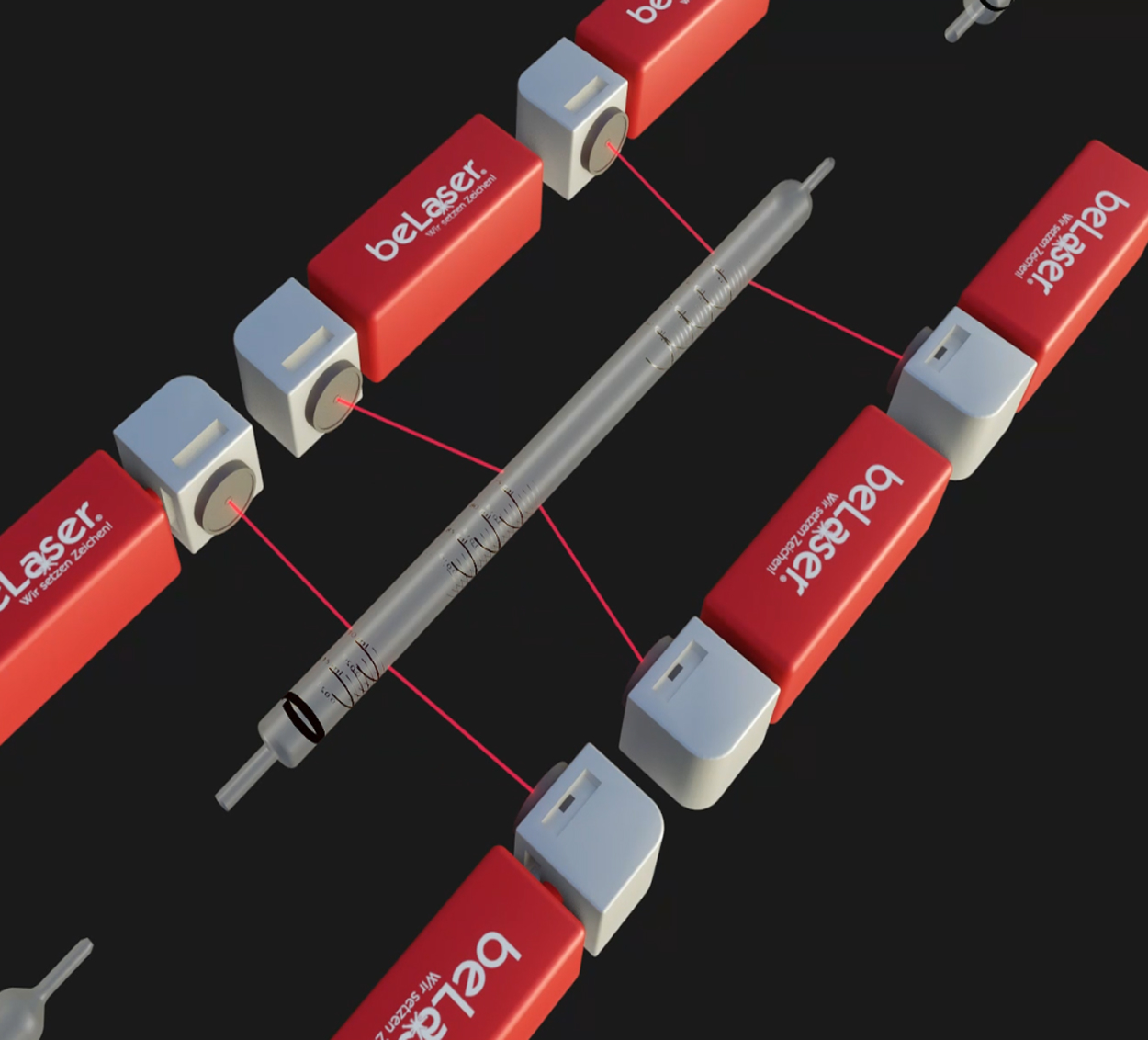
Gladly advise we at any time. Call us now for a no-obligation personal consultation at 09820 22 199 40 or send us an email at info@belaser.de.
When processing a material with a laser, is it referred to as foaming or color change, it is also a special type of Laser marking intended, where the laser only works on the surface of the material.
Plastics often consist of various substances that react differently when processed with a laser. Not only the base material plays a role, but also individual color pigments or other mixed components contained in the material. Additives, fillers, or protective agents, for example, influence the laser result.
When permanent markings are to be applied to plastics, laser engraving is the most frequently chosen alternative. Unlike traditional methods such as printing or embossing, laser engraving is extremely durable and can produce high-contrast markings.
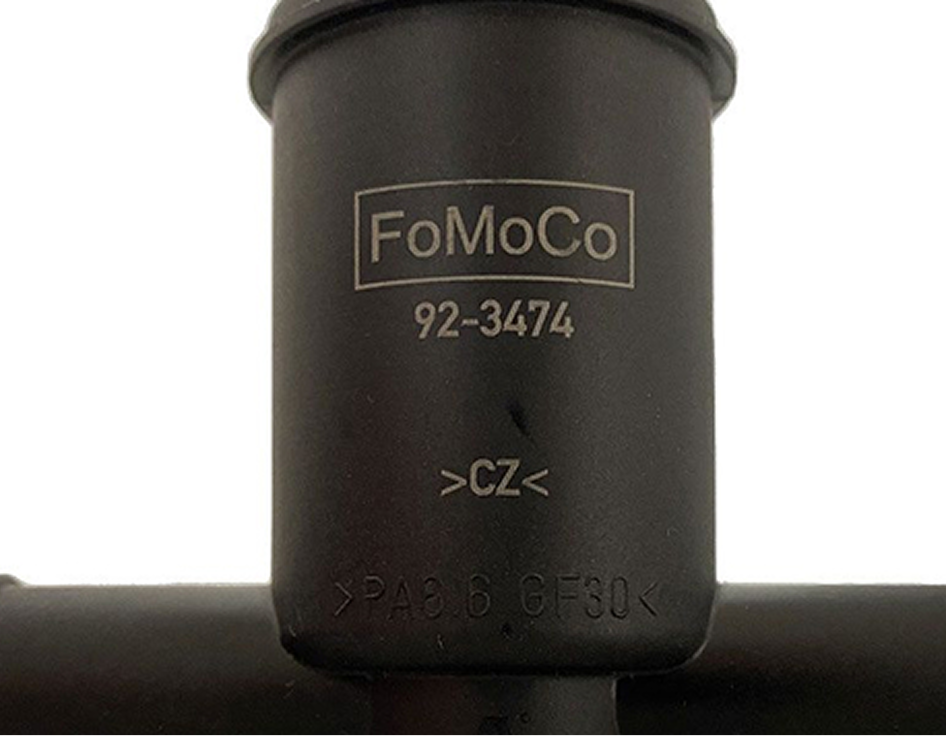
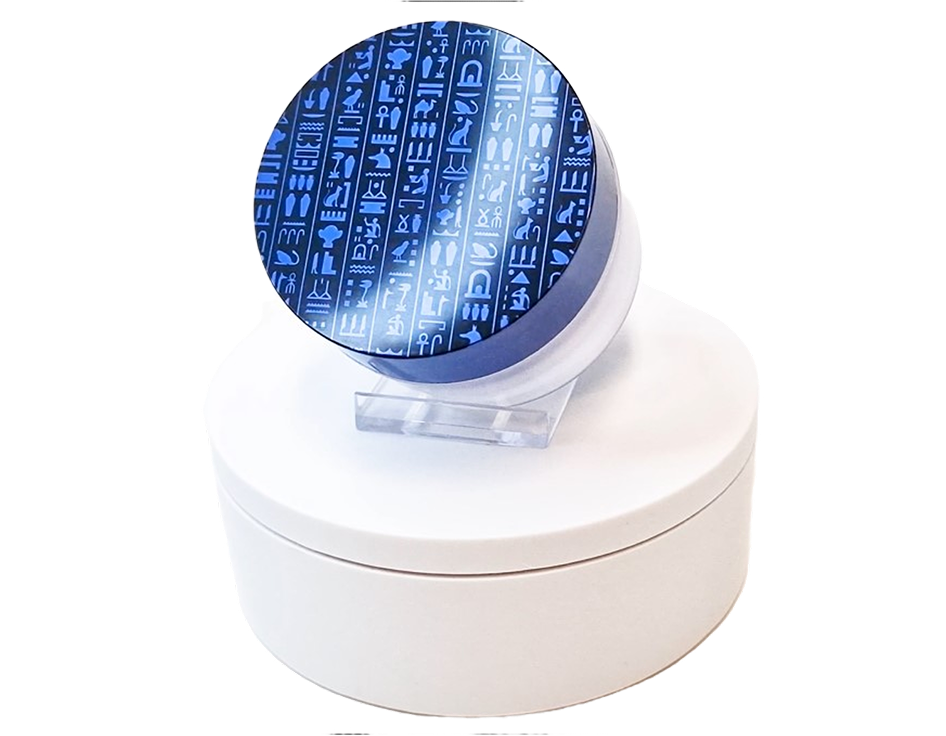
Most plastics can be marked very well with a laser, but some can only be marked with the addition of specific additives. In this process, the polymer is melted and a foam-like structure is formed, which is why this process is also called foaming. This way, light-colored plastics can be marked dark and dark plastics can be marked light. With certain additives, laser marking on plastic can even be done in color.
Plastics can be marked by color change. The energy of the laser beam changes the optical properties of the pigments in the workpiece being processed, and the surface of the workpiece remains virtually undamaged. The plastic material is only processed to a depth in the micrometer range.
What laser marking procedures
for plastics are there?
Carbonization or recoloring
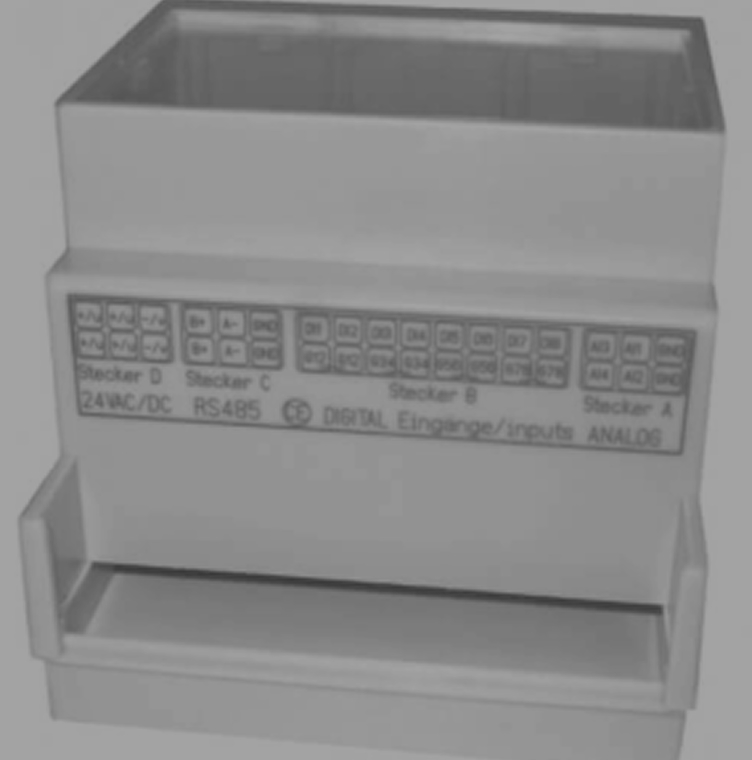
Individual molecules are specifically destroyed by the energy of the laser beam, thereby altering their structure. Plastic contains carbon and this is burned through carbonization. The result is a high-contrast laser inscription and is often used on light-colored plastic housings, such as polycarbonate electronic enclosures.
Foaming
The laser's heat causes the surface of the plastic to melt. This foaming process creates gas bubbles on the material, increasing its volume. The carbon content in the plastic oxidizes to CO² and escapes. As a result, this release creates a foam layer on the surface (raised area). This is what creates the contrast in the laser marking of the plastic and a „raised“ mark.
Day/Night process
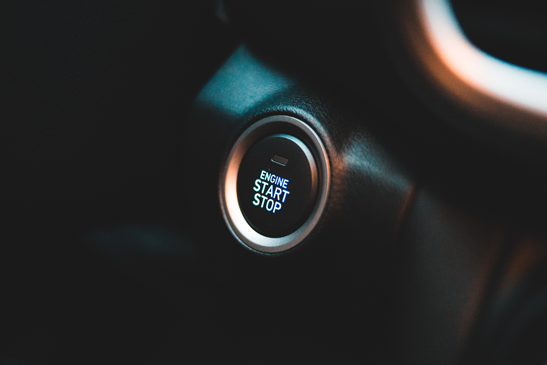
The day/night function is used for all controls that need to be illuminated in the dark, for example in the automotive industry. By removing the top layer, painted or coated plastics can be marked with the appropriate labels and geometries. The buttons in the car interior appear white due to the layer removal and are illuminated from behind in the dark.
What results can laser marking achieve with my plastic?
To achieve the maximum contrast ratio, the combination of material base and laser parameters is crucial for marking on plastic.
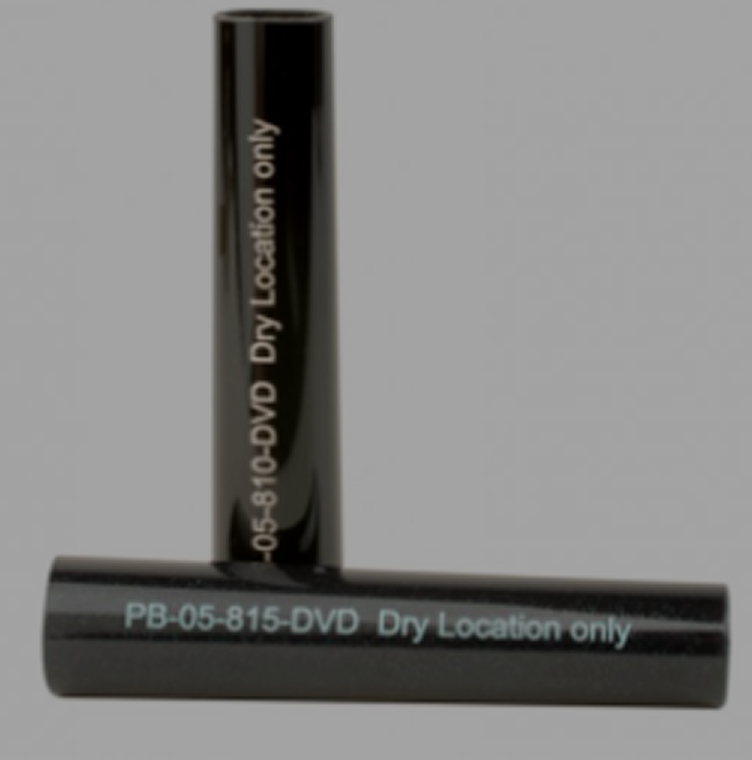
For some plastics, no additional laser additive is required for laser marking, for example, light marking on a dark/black surface.
For other polymers, 2–31% by weight of the laser additive is added to the masterbatch, or, if necessary, a combination batch is selected directly to achieve the best possible marking results. Our many years of Gabriel-Chemie is happy to provide advice. In a series of preliminary tests, your individual masterbatch will be developed to perfection.
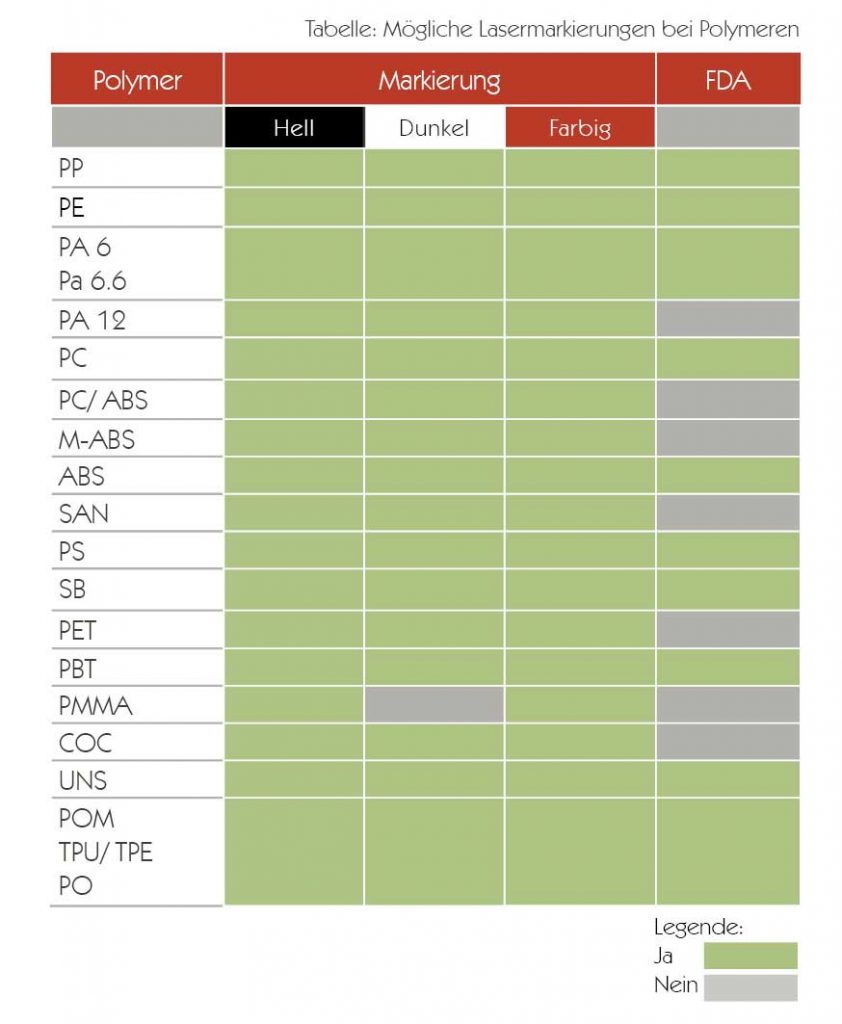
The table on the right provides an overview of which laser marking contrasts (light/dark/colored) can be achieved on the individual plastic types.
Is your plastic not on the list? Are you unsure how high-contrast laser marking can be achieved on your plastic? Feel free to send us your parts for a test laser marking.
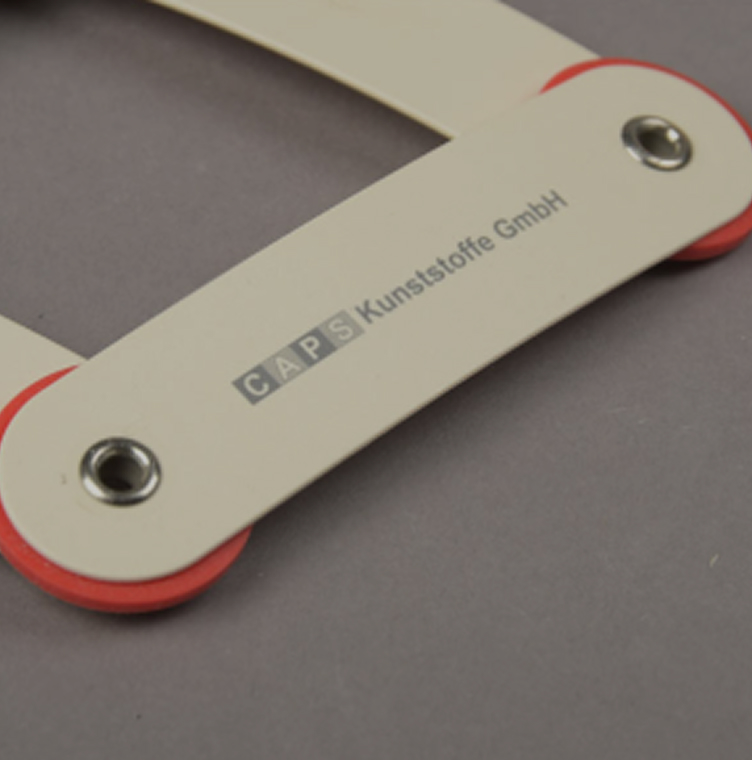
Laser marking on plastic provides clear, high-contrast results by altering the surface structure or color of the material without physical contact.
Depending on the type of plastic, the laser creates effects such as foaming, color change, carbonization, or bleaching, resulting in precise and permanent markings that remain legible even under mechanical stress or chemical exposure.
This process is ideal for electronic enclosures, automotive components, medical devices, and consumer goods where clean, permanent marking is essential.
Looking for the right laser for your plastic marking?
Try our free laser configurator now. Click through the questions and receive your individual offer as soon as possible.
Material and label field
Thank you very much!
We have received your request.
We will get back to you with a customized offer as soon as possible.
Innovation - The Laser Logo
Products made from recycled materials haven't just been trending since 2026. However, the recycling loop usually ends there, as product labeling requires labels combined with water-insoluble adhesive, thereby destroying the possibility of recycling.
What three components are important to guarantee the recycling of packaging?
Recyclable plastic as a base material
Neutral behavior of additives, such as laser additives
Elimination of labels, inks, sleeves & adhesives for product marking
Laser marking is directly lasered onto the plastic packaging. Laser marking on plastics completely dispenses with additional materials. Only some molecules are destroyed or discolored by the energy of the laser beam (see laser marking process on plastic above).
The permanent and chemical-resistant labeling on plastics is positively influenced by laser additive manufacturing. Through 2-3 % additions of laser additives in combination with a masterbatch, the absorption of laser radiation is increased and high-contrast marking is achieved.
These laser additives behave neutrally in the recycling process and thus support the recycling of plastic packaging.
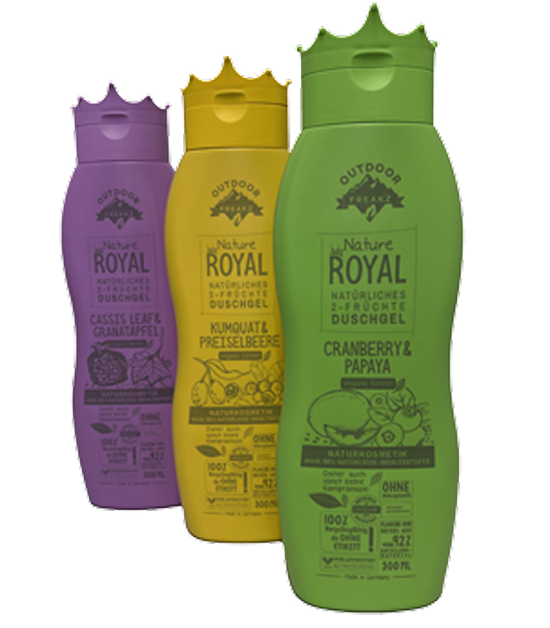
Thus, with a recycled material base, a 100%ig Recycling given.
Are laser systems for plastics sustainable?
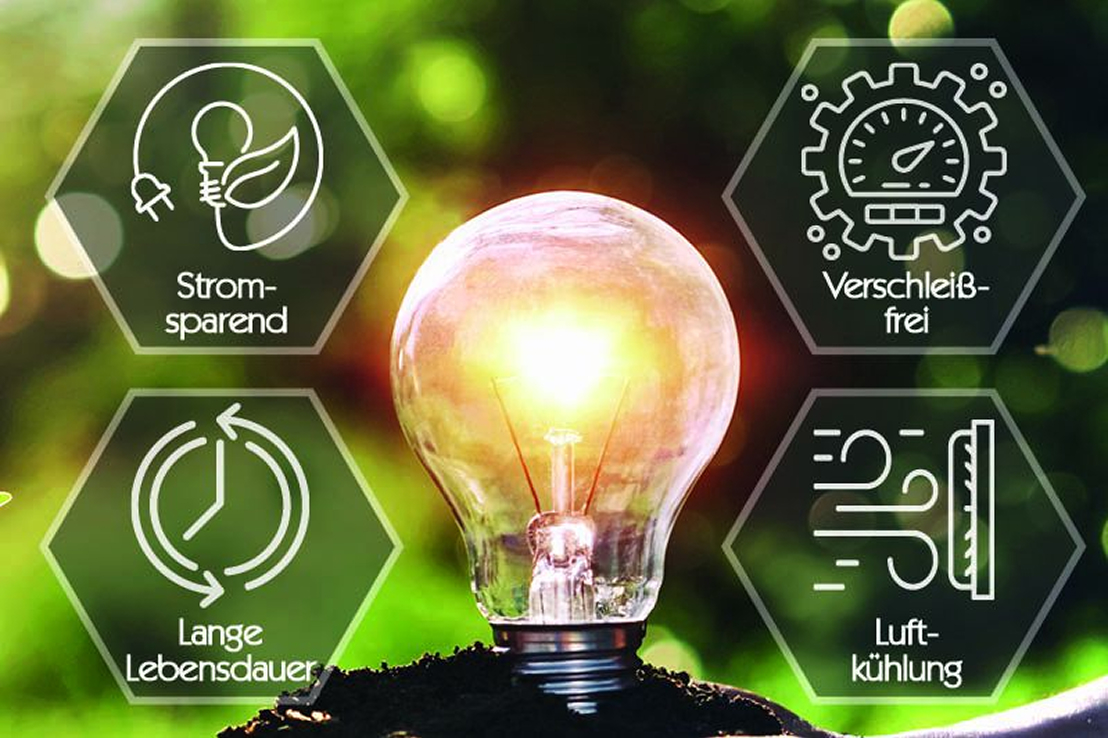
The laser systems themselves are impressive due to their long lifespan and low power consumption (avg. 300-350 W). For example, a fiber laser, which is also often used for labeling plastic, has an average lifespan of 100,000 operating hours.
In addition to integrated air cooling, our laser systems are low-maintenance and wear-free – perfect for continuous use.
Laser systems have on average a nearly 80 % lower power consumption as a commercial hair dryer.
Do you want to learn more about laser marking?
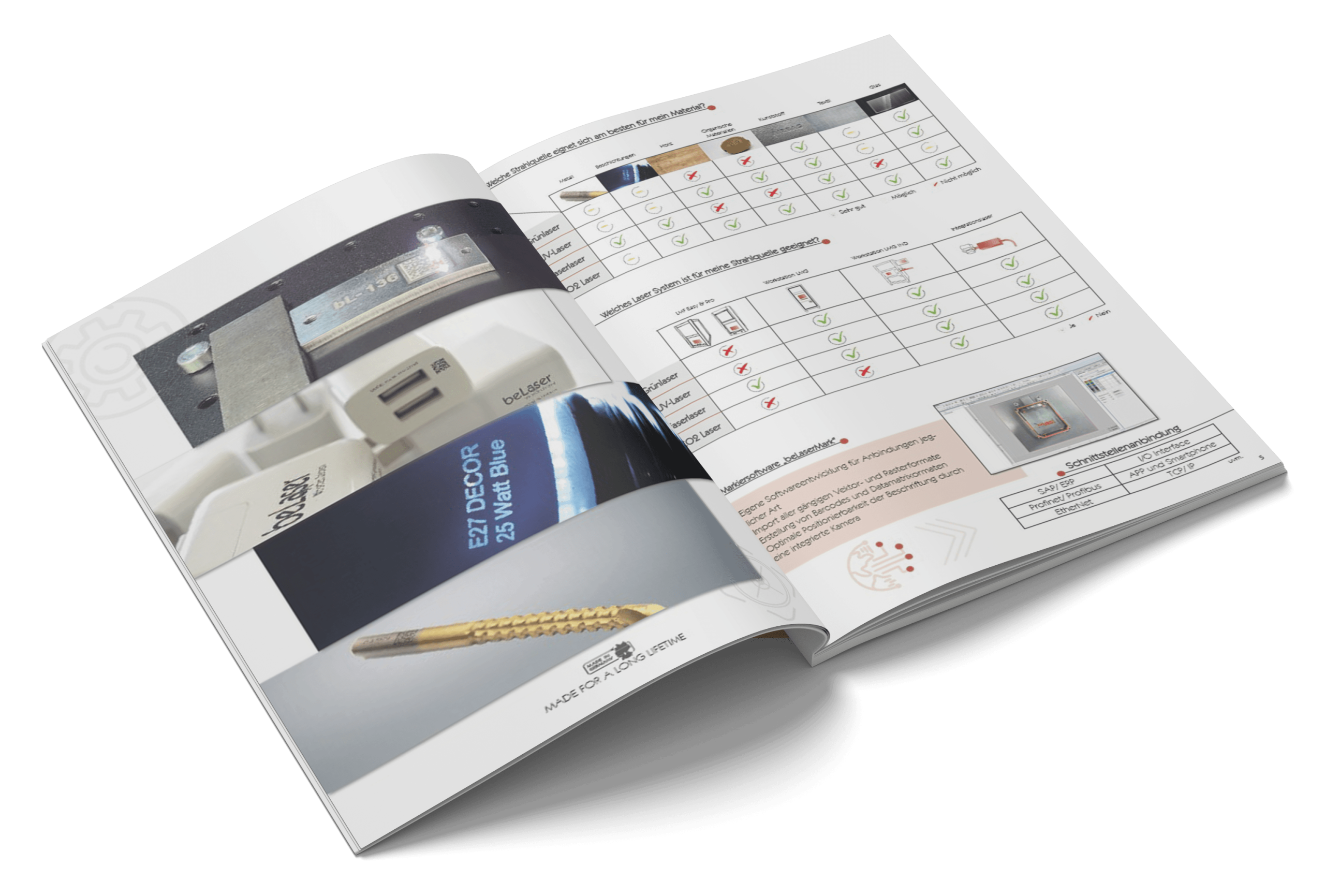
Gain an overview of the diverse applications of laser marking systems in our booklet. A practical overview of all our labeling systems – whether as stand-alone systems or integrated into your production line – can be found in our product portfolio.
Feel free to try out our new laser configurator. Answer questions about your needs and receive a personalized quote from us as soon as possible.